
There is no shortage of opinions about what to feed a pet. There is, however, a significant shortage of opportunities to sit down with an actual licensed veterinarian and work through your animal’s specific nutritional situation without a waiting room and a calendar appointment three weeks out. For pet owners across the Florida Panhandle, that access gap is more pronounced than in Florida’s larger metros, and it means that many dogs and cats in this region go years without ever having a structured conversation about whether what they are eating is actually working for them.
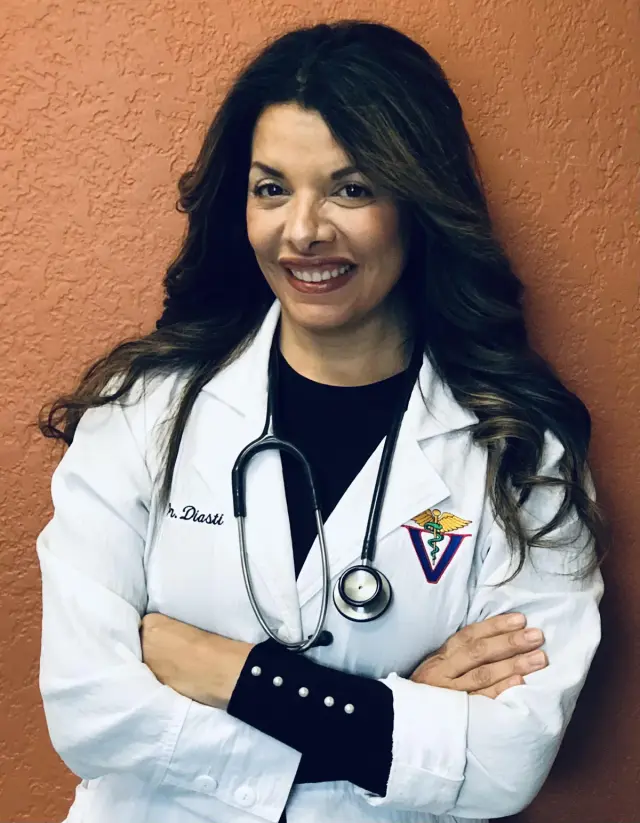
We are Vetzi, a Florida-based, vet-owned and operated telehealth platform founded by Dr. Azza Diasti-Kennedy, a practicing veterinarian who built this service so that licensed veterinary guidance would be available to Florida pet owners on their schedule rather than a clinic’s. Whether you live in Pensacola, Destin, Fort Walton Beach, Panama City Beach, or anywhere along the Panhandle corridor, our veterinarians are available by video to work through your pet’s current diet and give you specific, actionable guidance grounded in your animal’s actual health picture. Our Florida veterinary telehealth services connect pet owners across the state, and the Panhandle is one of the regions where that connection makes the most difference.
Pet food marketing is sophisticated, and the information available through online searches is often accurate in general but useless for any specific animal. A dog with a history of loose stool, a tendency to gain weight on moderate portions, and a breed predisposition toward hip problems needs a very different dietary conversation than a young, lean, highly active dog with no health history. The same is true across cats, where age-related kidney changes, body condition variation, and indoor versus outdoor lifestyle all affect what an optimal diet looks like.
The American Veterinary Medical Association recognizes regular nutritional assessment and counseling as a key component of preventive pet health care, noting that it is frequently overlooked or compressed during standard veterinary visits. Our conditions we treat page shows how often nutrition connects directly to the health issues that bring pet owners to us in the first place.
Our veterinarians open the consultation by gathering a complete picture of what your pet currently eats — the primary food formula, any wet food or meal toppers, all treats and chews, and any supplements being given, along with quantities, feeding frequency, and how meals are delivered. We also ask about your pet’s current weight, recent trends in appetite and energy, any digestive symptoms, and relevant health history.
Before your appointment, it helps to have the following ready:
Owners already dealing with digestive symptoms in their pets will often find that the nutrition consultation reframes what has been driving those symptoms.
Many dogs along the Panhandle are genuinely active animals, spending time on the beach, in the water, and on trails year-round. High-activity dogs have different protein and caloric needs than their more sedentary counterparts, and a diet calibrated for a less active lifestyle can leave a working or highly active dog under-fueled. Our veterinarians can evaluate whether your pet’s current feeding plan matches their activity level and make specific adjustments.
Weight issues are among the most common preventable health problems in dogs and cats, and they are more complex to address than simply feeding less. Breed tendencies, reproductive status, age, activity level, and metabolic conditions all play into how a pet processes and stores energy. Pets also dealing with ear infections or other recurring symptoms may have immune-related dietary needs that factor into the weight conversation.
Older pets have meaningfully different dietary needs than younger animals. Reduced kidney and liver function, joint inflammation, changes in lean muscle mass, and shifts in digestive efficiency all point toward dietary adjustments that a senior pet food label alone may not fully address. If your aging dog or cat has been eating the same food for years, a nutrition reassessment is a useful first step.
Nutrition counseling is a strong fit for telehealth because it centers on history, assessment, and recommendation rather than physical examination. Our veterinarians can review your pet’s full dietary picture and make specific recommendations in a single focused call without either of you needing to leave home.
Where telehealth is not appropriate is when an underlying condition requires hands-on evaluation, including situations that might involve parasite prevention or other physical concerns. If our veterinarian notices those signs, we will be direct about what is needed and help you understand the right next step.
Dr. Azza Diasti-Kennedy built Vetzi because she recognized how much was left on the table when pet owners had no accessible path to a real veterinary conversation outside of a scheduled clinic visit. Nutrition is one of the clearest examples of that gap, and our platform is designed to close it. Our veterinarians bring the same clinical rigor to a nutrition consultation that they bring to any other type of visit, because what a pet eats is not a peripheral concern.
When you are ready to have a real conversation about your pet’s diet with a licensed Florida veterinarian, you can book an appointment directly through our platform. If you want to understand how a video visit works before scheduling, our frequently asked questions are a good place to start, and our vet-reviewed blog covers a wide range of pet health topics for owners who want to read further before their call.