
A pet who suddenly can’t keep an eye fully open, or who wakes up with crusty discharge stuck to their lashes, tends to send owners straight into worry mode. It’s a fair reaction. Eyes are delicate, symptoms can look alarming even when the cause is minor, and it’s genuinely hard to tell from the couch whether you’re looking at a mild irritation or the start of something serious.
That’s exactly the kind of situation Vetzi was built for. We’re a Florida-based, vet-owned and operated telehealth platform founded by Dr. Azza Diasti-Kennedy, and we connect pet owners with a licensed veterinarian by video, often the same day, for concerns just like this. Before you decide whether your pet needs an in-person visit for an eye issue, a quick conversation with one of our veterinarians can help you understand what’s actually going on and what to do next.
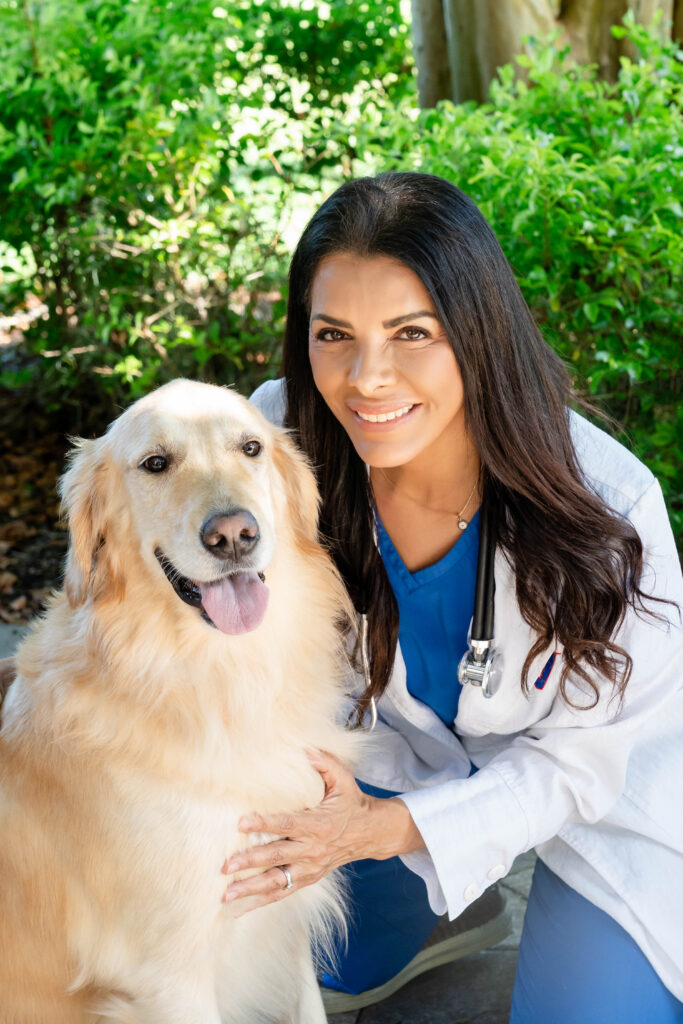
Eye issues in pets range from mildly irritating to genuinely urgent, and the tricky part is that they can look similar at first glance. Redness, squinting, cloudiness, and discharge can all point to very different underlying causes. According to a board-certified veterinary ophthalmologist at the Cummings School of Veterinary Medicine, owners should have pets examined whenever they notice squinting, tearing, redness, cloudiness, or any change in how well a pet seems to be seeing.
Common issues include conjunctivitis, which causes redness and watery or thick discharge, and corneal scratches that make a pet squint and paw at their eye. Allergies are also common in Florida’s warm, humid climate, often showing up as puffiness or itchiness around the eyes rather than the eye itself. Dry eye, cataracts, and eyelid abnormalities tend to develop more gradually and are often first noticed as changes in the eye’s color or clarity over time.
A video visit is a strong first step for most everyday eye concerns, and it lets one of our veterinarians see the eye directly rather than relying on a phone description alone. During a consultation, we can assess redness, swelling, discharge color and consistency, how the eyelids are moving, and whether your pet seems to be in pain or squinting more on one side than the other.
We can also compare how the eye looks now against how it looked a day or two ago if you have photos, which helps us determine whether a condition is improving, staying the same, or getting worse. From there, we can offer treatment guidance, recommend an over-the-counter option when appropriate, or determine that your pet needs an in-person exam.
Coming into a video visit with a little preparation makes the appointment move faster and gives our vets more to work with. A few close-up photos of the eye taken in good lighting, along with a short video if your pet is blinking or squinting excessively, can reveal details that are hard to describe in words.
It also helps to have a general timeline ready: when you first noticed the issue, whether it’s affecting one eye or both, and whether your pet has been pawing at their face or rubbing against furniture. If your pet is on any current medications, including flea and tick prevention, mentioning those upfront helps rule out certain causes more quickly.
Most eye issues in pets aren’t emergencies, but a handful of situations require hands-on care right away. We’re always honest about when telehealth isn’t the right tool for the job. Certain eye symptoms cross a line where a video visit alone isn’t enough to keep a pet safe.
Seek in-person or emergency care immediately if your pet’s eye appears to be bulging or protruding, if there’s sudden and complete vision loss, or if the eye was directly injured by trauma such as a scratch, bite, or blunt impact. A pet who is in severe pain, pawing frantically at their face, or unable to open the eye at all also needs to be seen by a veterinarian in person rather than by video.
Eye problems often show up outside of normal business hours, which makes telehealth especially useful for this kind of concern. Getting a same-day video visit means you’re not stuck waiting until your regular veterinarian’s office reopens while your pet is clearly uncomfortable.
It’s also a lower-stress option for anxious pets, senior animals, or cats who fight the carrier the moment it appears. A video visit lets your pet stay in a familiar environment while one of our veterinarians still gets a clear look at what’s happening. Because many eye issues are manageable without an in-person exam, telehealth can also help you avoid an unnecessary and expensive emergency visit when your pet’s situation doesn’t call for one. Pet owners managing other everyday symptoms alongside eye concerns may also find it useful to understand common causes behind persistent dog itching, since skin and eye irritation sometimes show up together.
Eye problems can be worrying to watch unfold, but in most cases, getting a professional set of eyes on the situation quickly makes all the difference. Dr. Azza built Vetzi to give pet owners fast, honest access to a licensed veterinarian, without the wait, the drive, or the stress of an unnecessary clinic visit, and that applies just as much to eye concerns as it does to any other everyday symptom.
Our veterinarians will give you a clear read on what’s happening with your pet’s eye, tell you plainly whether in-person care is the better route, and provide a treatment plan or prescription when a video visit is enough to move forward. When you’re ready, you can book an appointment with one of our licensed veterinarians and get answers for your pet today.